This month I’ve been doing quite a bit of public speaking, talking about plants and their uses. I often mention the synergy between the different chemical components at play in a plant so I started thinking about what kind(s) of synergy might be involved when we use the Bach flower remedies.
But first things first – what do I mean by synergy? Synergy is defined as the combined power of a group of things when they are working together that is greater than the total power achieved by each working separately.
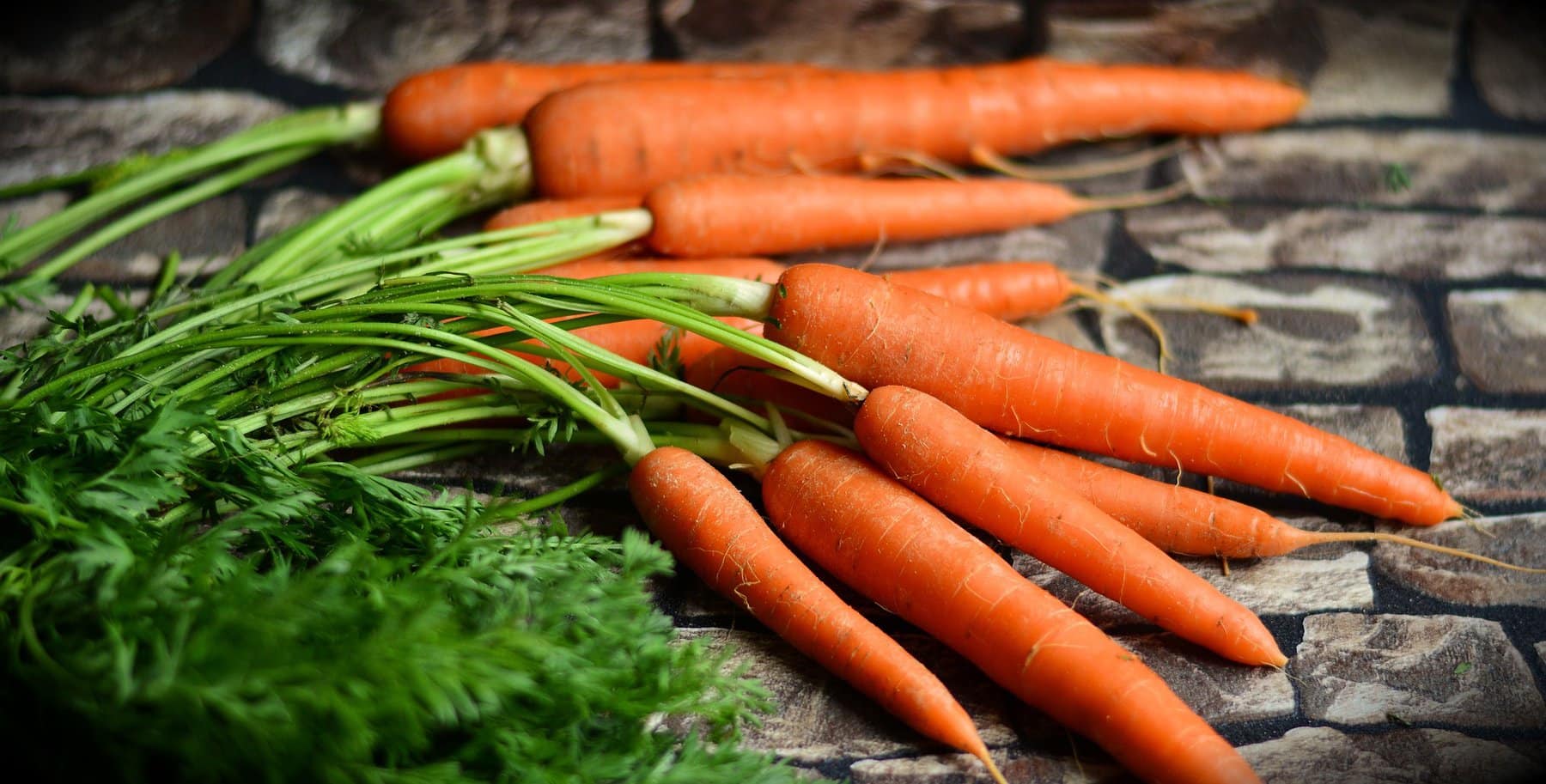 In the context of plant-based medicine, I often use these examples. Carrots contain a compound called falcarinol which has shown activity against cancer cells. However, it can easily be oxidised to produce other compounds which are less effective. As I’m sure you know, carrots also contain β-carotene and other related compounds which are strong anti-oxidants (as well as making them orange). So in the presence of carotenes, falcarinol isn’t oxidised so we get strongest possible beneficial effect from it.[1]
Bergamot essential oil contains limonene and linalyl acetate. When these work together in the oil there is a marked reduction in certain types of cancer cell proliferation and survival. However, singly these compounds have little or no effect. [2]
Is synergy relevant when we use the remedies? I’d argue it is, in two ways.
Firstly, there appears to be a synergy between the remedies. I think of it as one remedy clearing the path for another remedy to get to where it needs to be – so the energy of a given remedy can more easily act to balance the unbalanced emotional state. Or to put it another way, as one state is balanced, the remaining unbalanced states are more accessible for other remedies to work on. Or one remedy is standing on the shoulders of the others. Admittedly, there are much more eloquent descriptions of how the remedies work, but they all work with the idea of synergy.
 Secondly, what about the practitioner’s contribution? Could our input be working in synergy with the remedies to produce the greatest effect. A strong positive interaction between client and practitioner does have practical benefits. When the client feels heard and comfortable with ‘opening up’ the best remedy choices can be made and the client is more likely to persist with taking the remedies. Clients will pick up on our strong and steady belief in the remedies. And when they feel supported through their journey with the remedies, they may be more likely to keep going with the remedies when the changes they are experiencing are difficult. While the remedies will work with no practitioner involvement and clients may benefit from someone listening to them without following up with taking remedies, I think the two aspects working together will give the best possible outcome.
So are we seeing synergy in action with the remedies and the practitioner-client-remedy interaction? What do you think? Post your comments in facebook.
[1] e.g. Stig Purup, Eric Larsen and Lars P. Christensen; Differential Effects of Falcarinol and Related Aliphatic C17-Polyacetylenes on Intestinal Cell Proliferation; J Agric Food Chem., 2009, 57(18), 8290–8296; doi: 10.1021/jf901503a
[2] Rossella Russo, Antonella Ciociaro, Laura Berliocchi, Maria Gilda Valentina Cassiano, Laura Rombolà, Salvatore Ragusa, Giacinto Bagetta, Fabio Blandini, Maria Tiziana Corasaniti; Implication of limonene and linalyl acetate in cytotoxicity induced by bergamot essential oil in human neuroblastoma cells; Fitoterapia, 2013, 89,48-57; doi: j.fitote.2013.05.014